







Le treillis, expliqué.
Articles de référence pour les professionnels de santé sur la façon dont les treillis chirurgicaux sont construits, mesurés et fixés — rédigés sans allégations produit et relus avant publication.
Base de connaissances
Treillis chirurgical
Un treillis chirurgical est une feuille de matériau tricoté ou composé employée pour renforcer les tissus mous, le plus souvent dans la cure de hernie. Ce n'est pas une…
02 / STRUCTUREConstruction des treillis
La construction d'un treillis chirurgical décrit la façon dont l'implant est bâti : tricoté à partir d'un polymère monofilament pour former un textile ouvert, associé à…
03 / PORESTaille des pores et poids des treillis
La taille des pores est la dimension des ouvertures d'un treillis chirurgical tricoté. La densité surfacique, généralement exprimée en grammes par mètre carré, est la…
04 / FIXATIONFixation des treillis
La fixation d'un treillis est la façon dont un treillis chirurgical implanté est maintenu en position pendant que l'intégration tissulaire s'opère. Trois familles sont…
Du blog
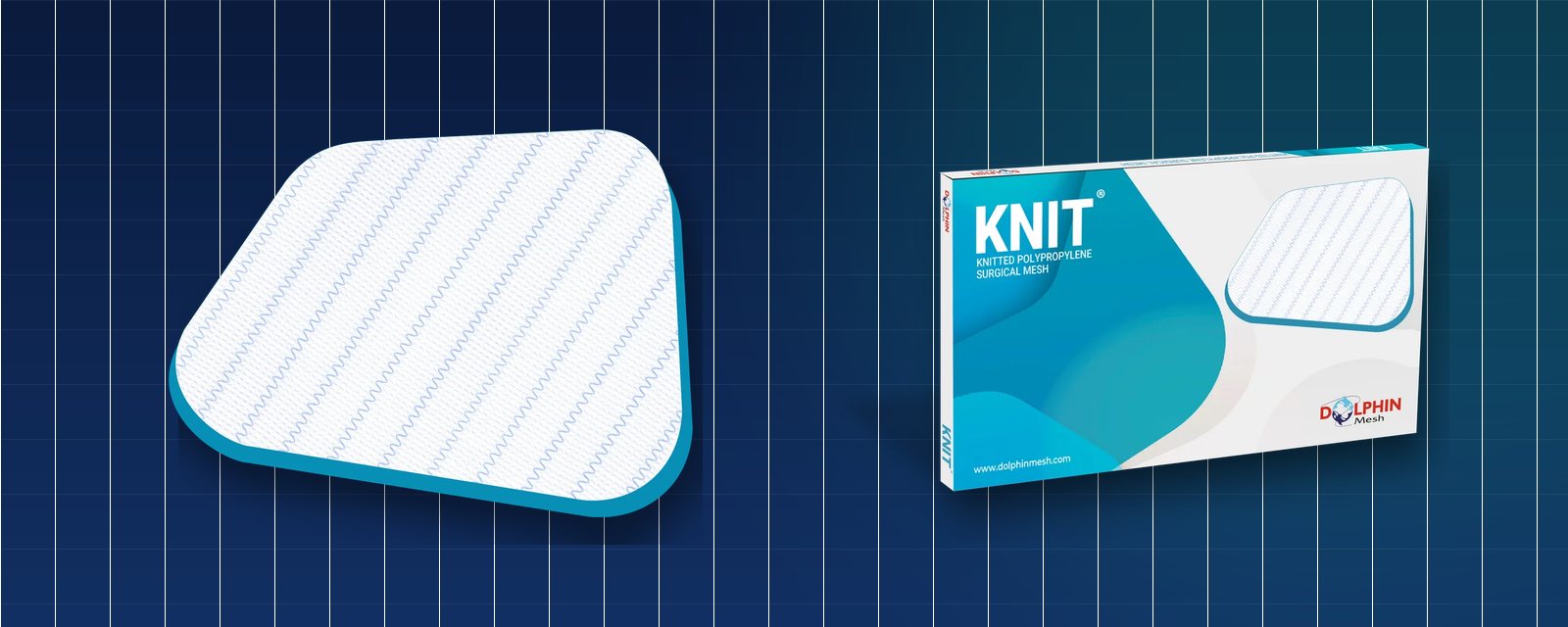
Lightweight, Heavyweight, Macropore: Choosing a Polypropylene Hernia Mesh
Mesh weight and pore size shape how a polypropylene mesh handles and integrates. What the terms mean — and how the four Knit variants line up.
Lire l'article →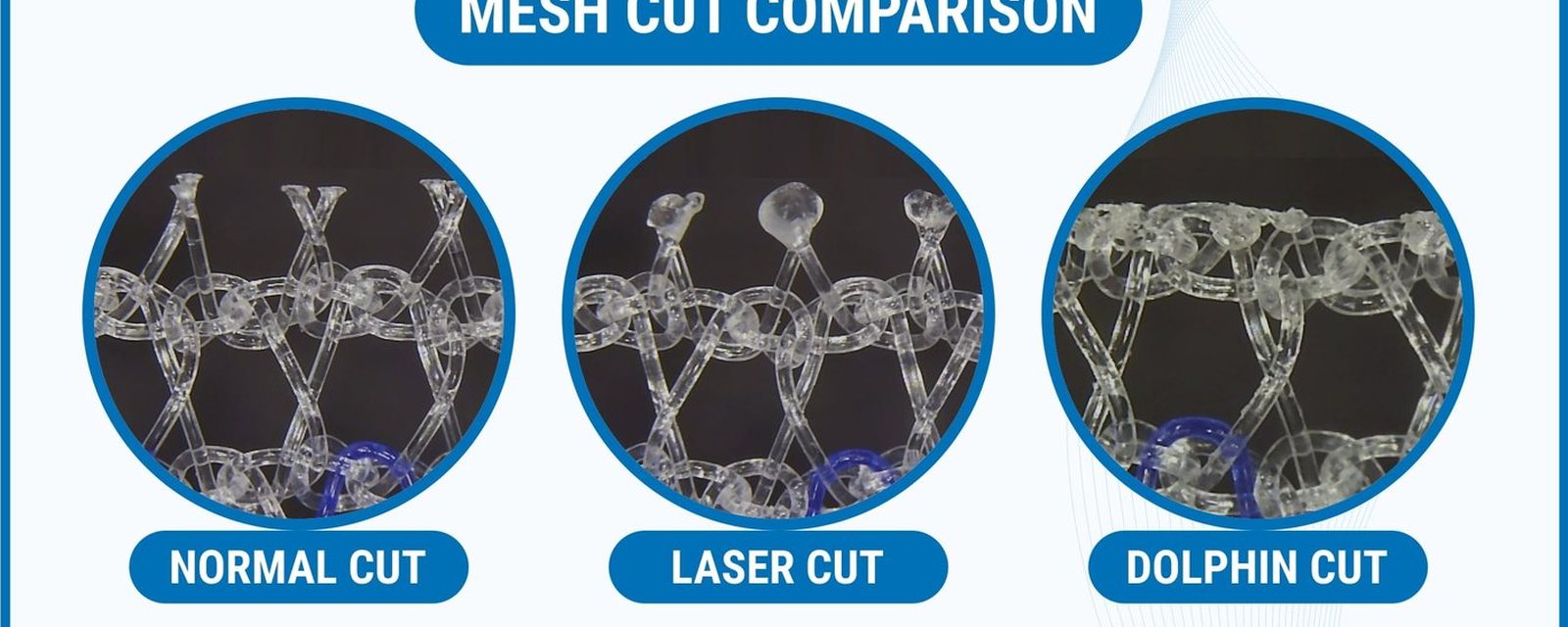
Dolphin Cut: Why the Edge of a Hernia Mesh Matters
Most attention goes to a mesh's material and pores, but its edges touch tissue too. How Dolphin Cut Technology compares with traditional and laser cutting.
Lire l'article →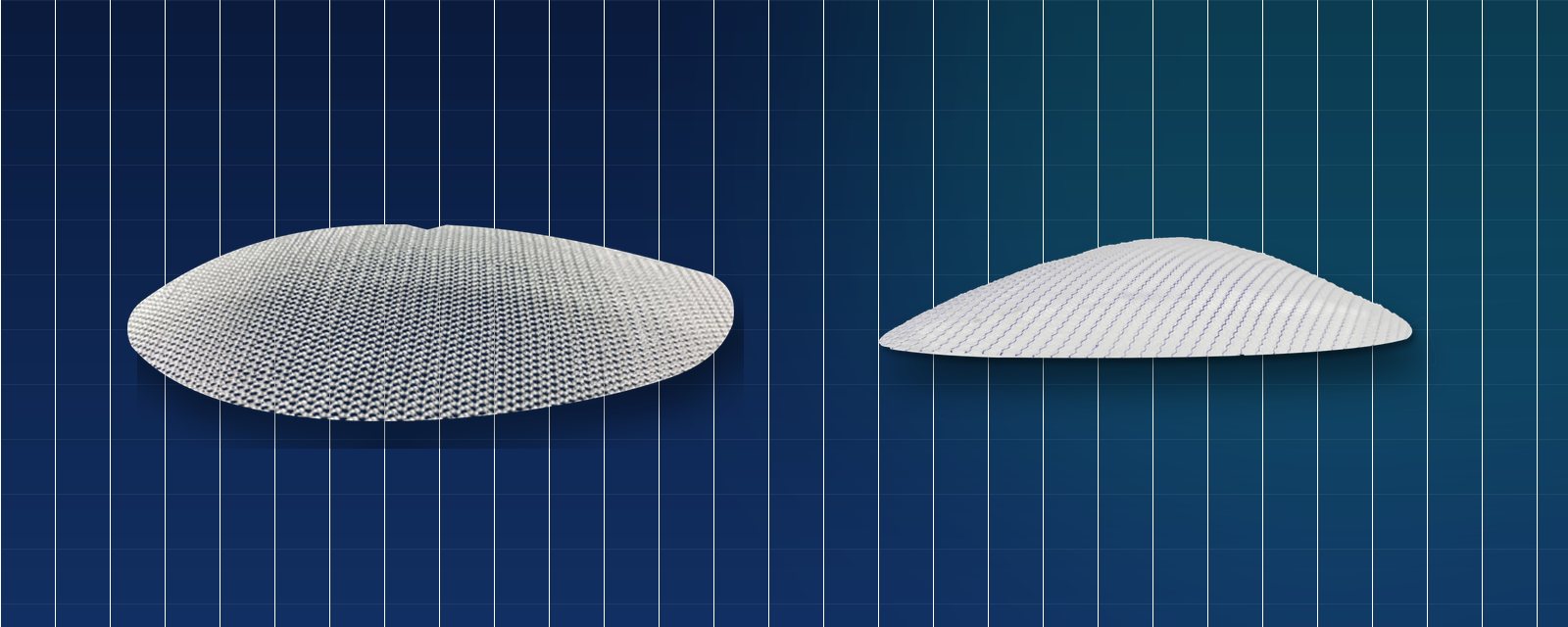
Inguinal Hernia Repair: Lichtenstein, TAPP and TEP — and Where a 3D Mesh Fits
Open or laparoscopic? A practical look at Lichtenstein, TAPP and TEP repair — and why pre-shaped 3D anatomical meshes were developed for the laparoscopic groin.
Lire l'article →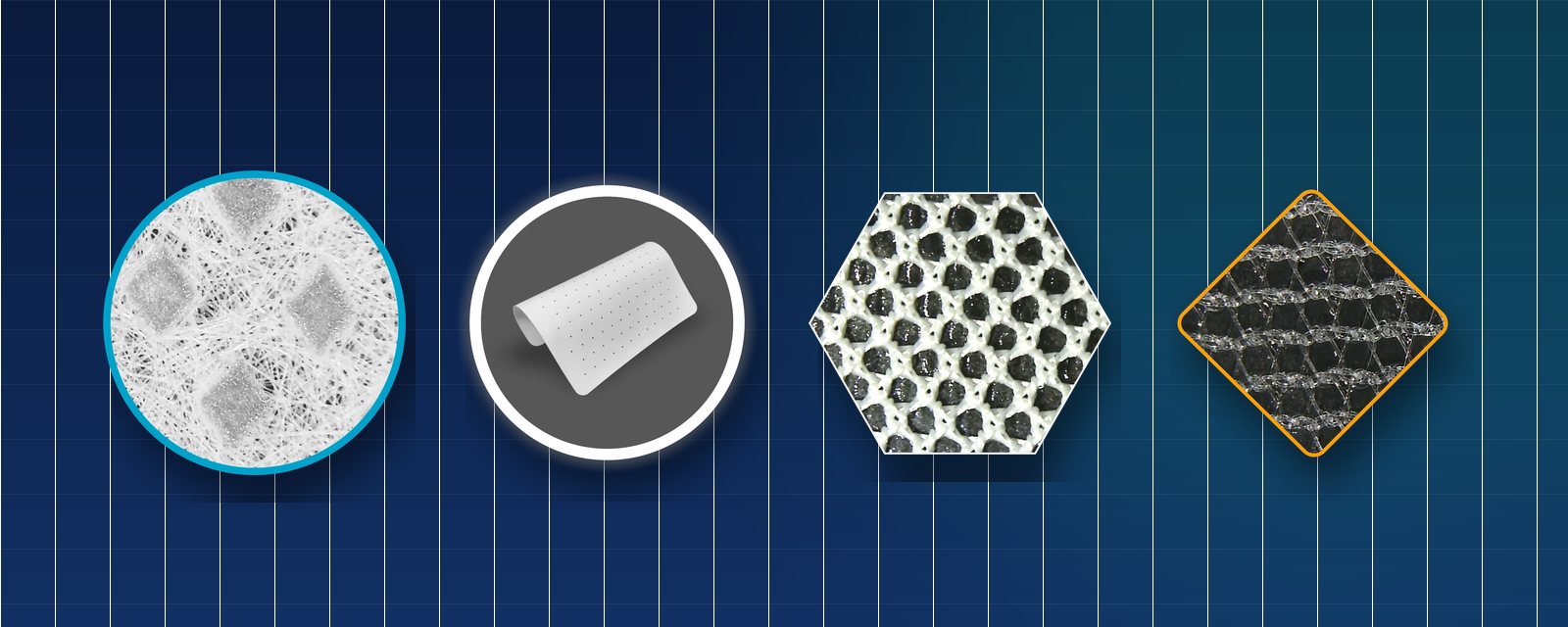
Ventral and Incisional Hernia: Why IPOM Repair Needs a Composite Barrier Mesh
When a mesh sits inside the abdomen it touches the bowel. Here is how dual-sided composite meshes are built for that job — and how Dolphin's four composites compare.
Lire l'article →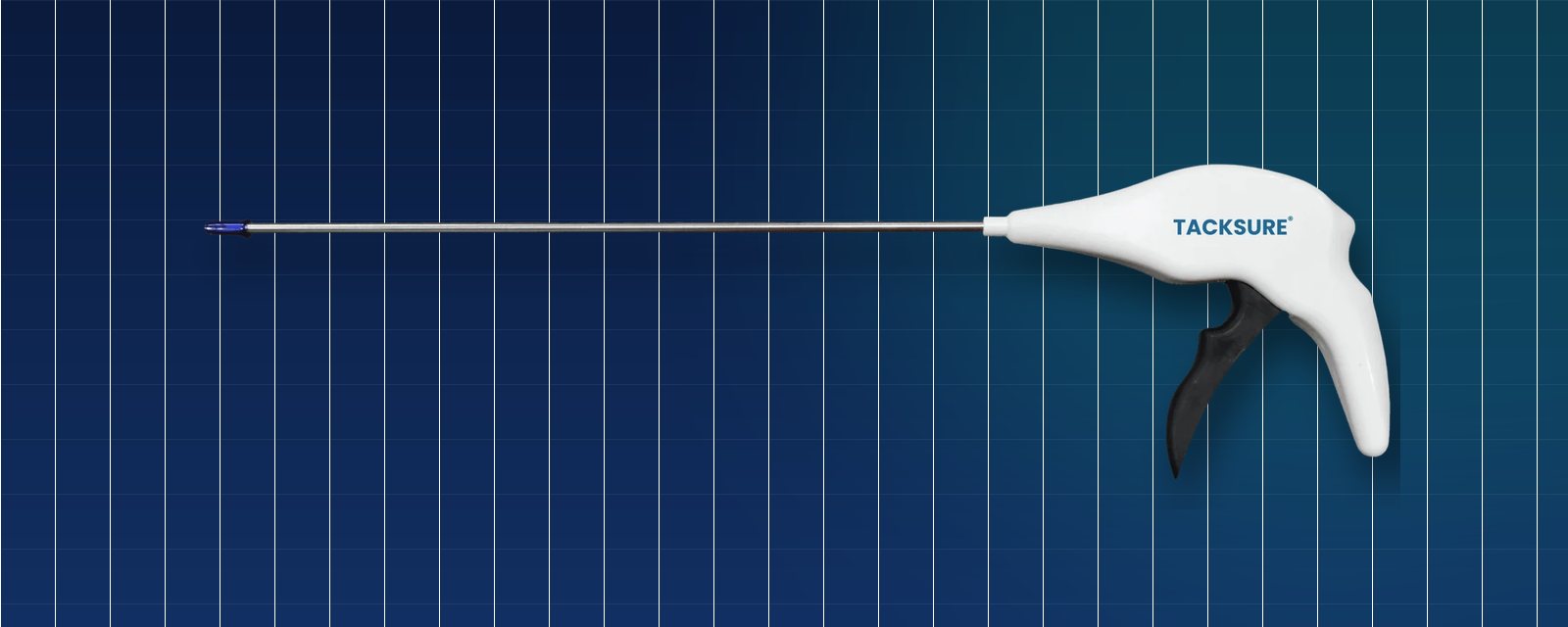
Fixing the Mesh: Tackers, Sutures and Glue in Laparoscopic Hernia Repair
Once the mesh is in position it has to stay there while tissue grows in. Tacks, sutures, glue or nothing at all — and where a single-use tacker like Tacksure fits.
Lire l'article →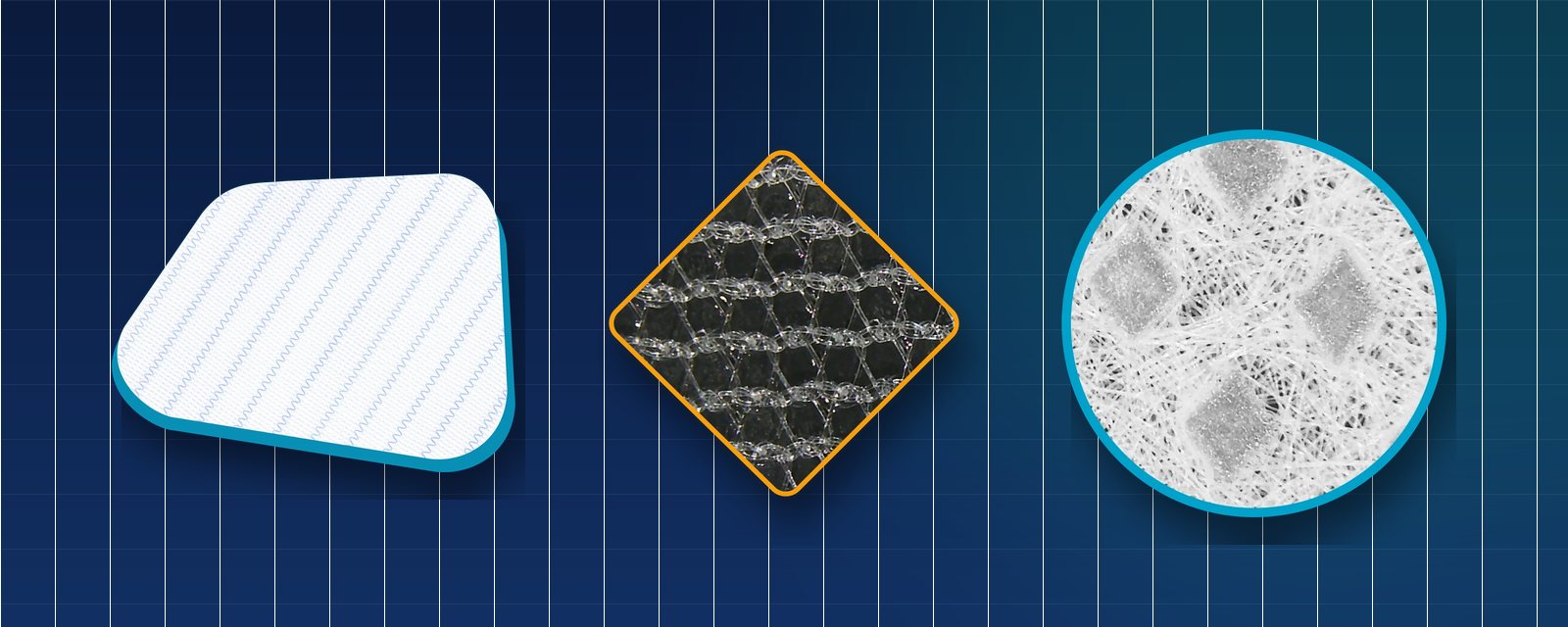
Mesh vs Non-Mesh Hernia Repair: How the Two Approaches Compare
Why most adult hernia repairs now use mesh, when a suture repair is still chosen, and the trade-offs surgeons weigh between the two.
Lire l'article →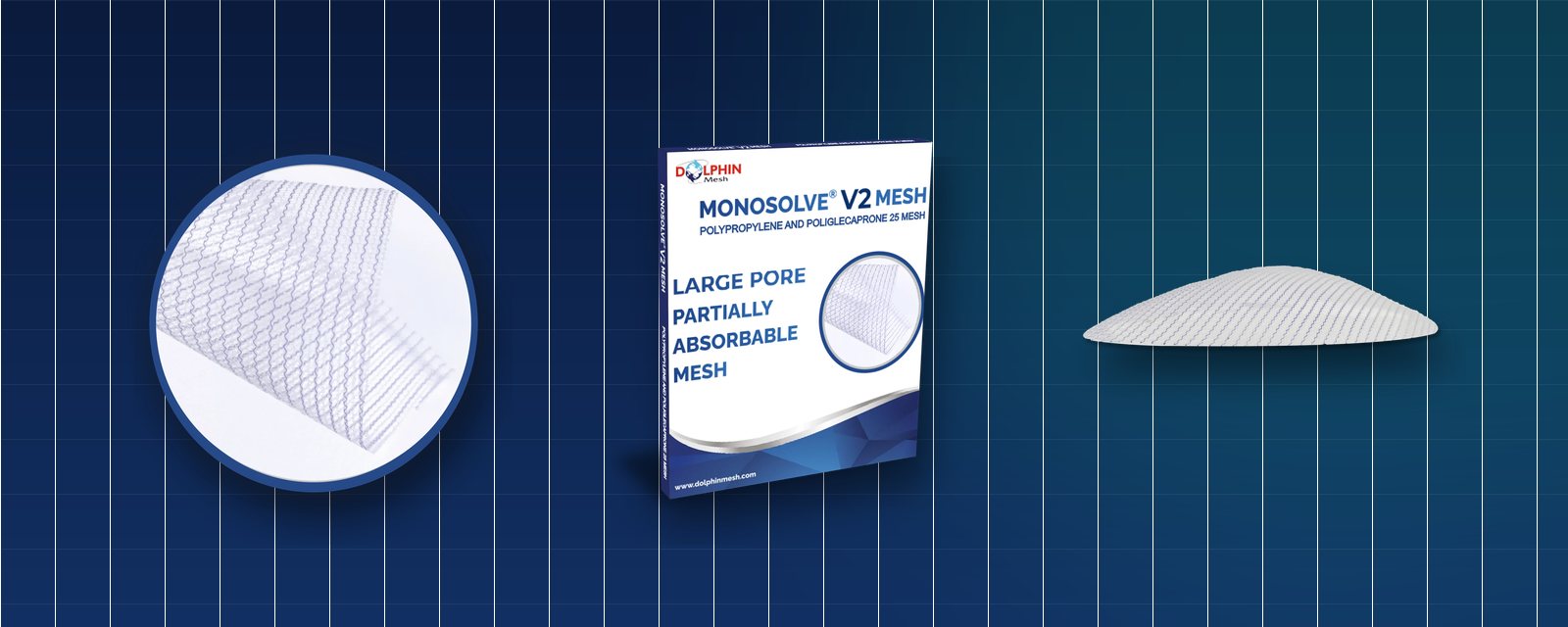
Partially Absorbable Hernia Mesh: How Monosolve V2 Works
A partially absorbable mesh is stiffer for handling at implantation and lighter in the long term. How Monosolve V2 combines polypropylene with poliglecaprone 25.
Lire l'article →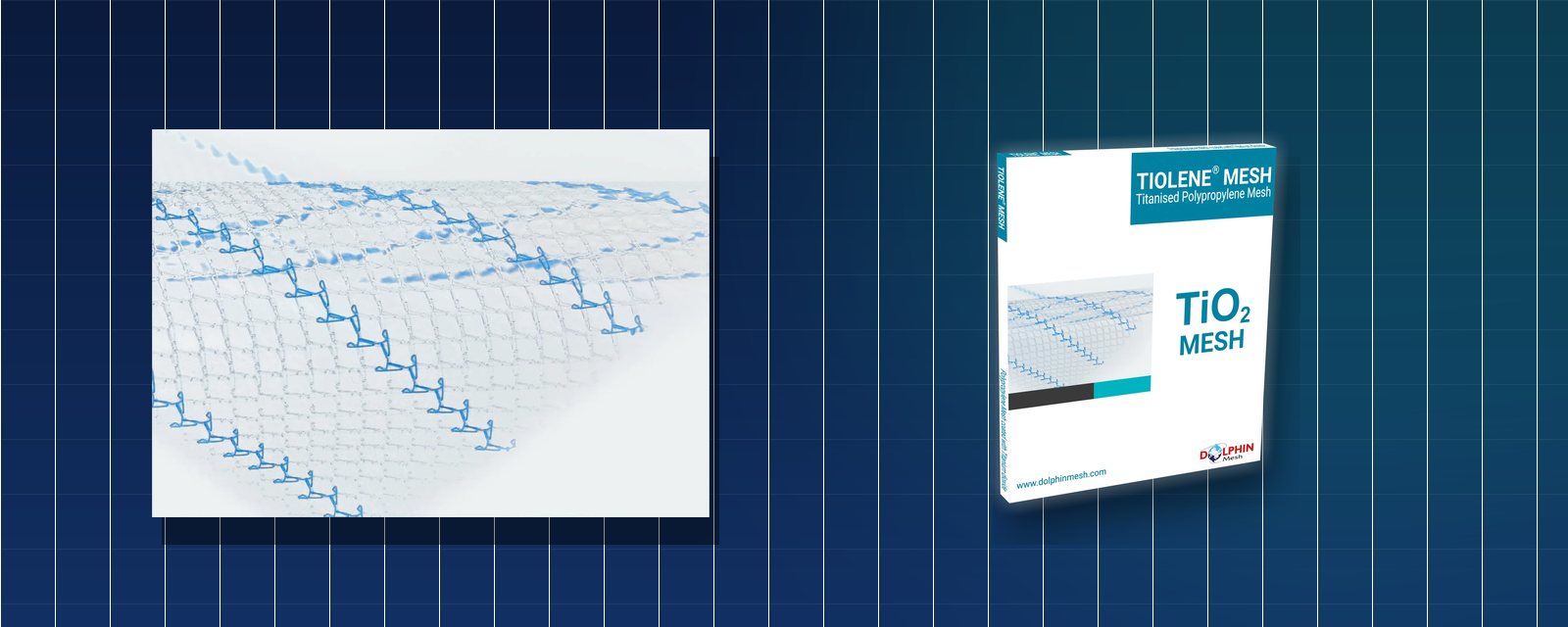
Titanised Polypropylene Mesh: What the Titanium Coating Does
A titanium dioxide coating turns a hydrophobic polypropylene fibre into a hydrophilic surface. What that means for a hernia mesh — and for Tiolene.
Lire l'article →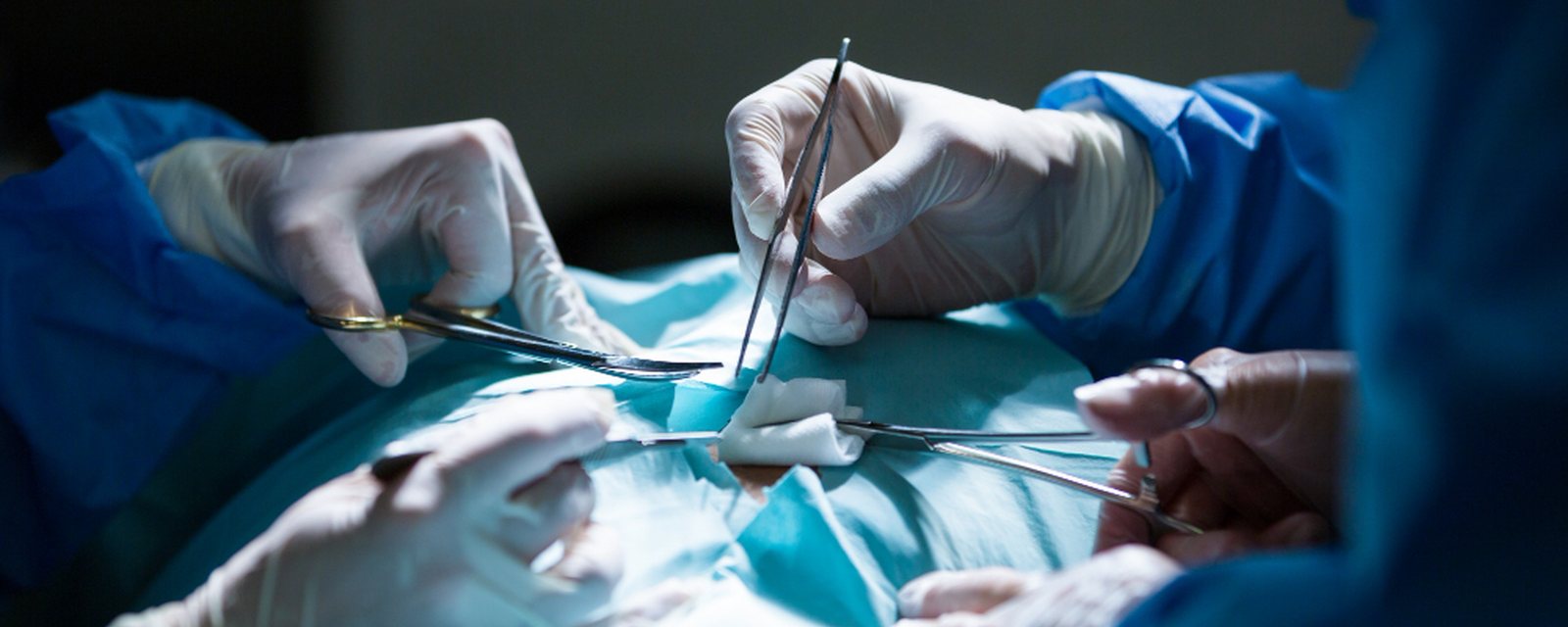
What Is a Hernia? Types, Symptoms and When Repair Is Needed
Inguinal, femoral, umbilical, epigastric and incisional hernias explained — what causes them, how they feel, the warning signs that need urgent care, and how they are repaired.
Lire l'article →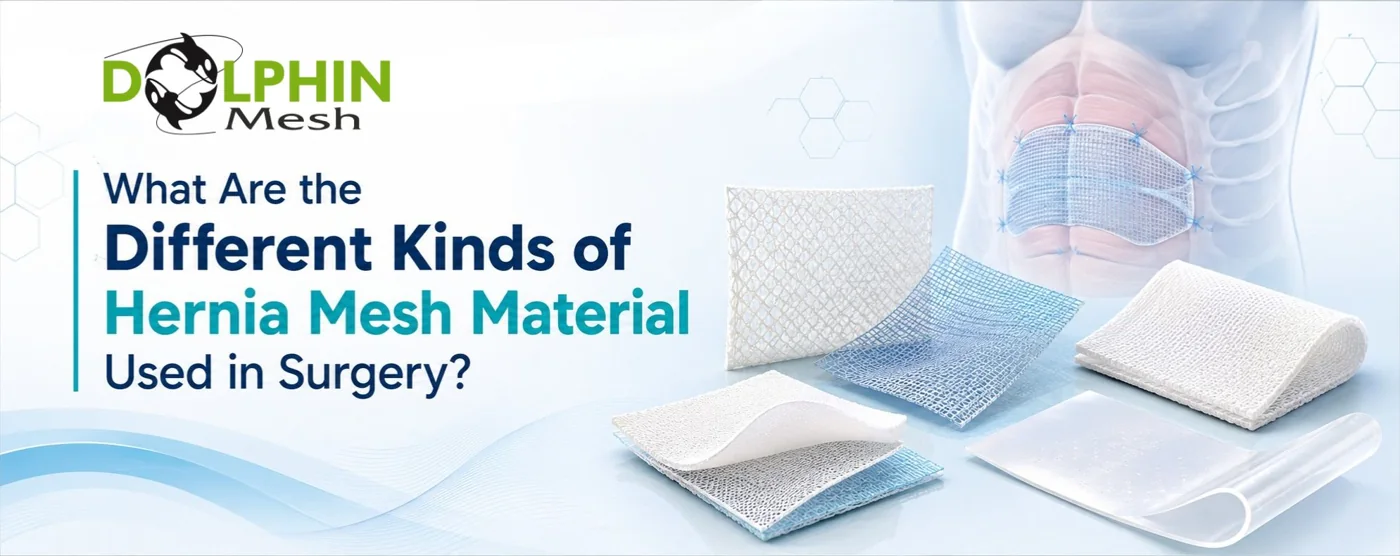
What Are the Different Kinds of Hernia Mesh Material Used in Surgery?
Surgical meshes differ in the material they are made from, how that material is built and whether part of it is absorbed. A walk through the material families in the Dolphin Mesh range.
Lire l'article →
AWR Surgeons Meet 2021 at Rajkot
Dolphin Mesh took part in the AWR Surgeons Meet 2021 at Rajkot, showcasing its range of composite hernia mesh products.
Lire l'article →Distributeur, hôpital ou chirurgien ?
Demandez des informations produits, des échantillons ou la documentation réglementaire. Nous approvisionnons des hôpitaux et des distributeurs dans plus de 85 pays depuis Bangalore.