







Mesh, explained.
Reference articles for healthcare professionals on how surgical mesh is built, measured and fixed — written without product claims, and reviewed before publication.
Knowledge base
Surgical Mesh
A surgical mesh is a sheet of knitted or composite material used to reinforce soft tissue, most commonly in hernia repair. It is not a suture — a suture holds two edges…
02 / BUILDMesh Construction
Surgical mesh construction describes how the implant is built: knitted from a monofilament polymer into an open textile, blended with an absorbable component so part of…
03 / POREMesh Pore Size and Weight
Pore size is the dimension of the openings in a knitted surgical mesh. Areal density, usually given in grams per square metre, is the mass of material per unit area —…
04 / FIXMesh Fixation
Mesh fixation is how an implanted surgical mesh is held in position while tissue integration occurs. Three families are in general use: mechanical fixation with tacks…
From the blog
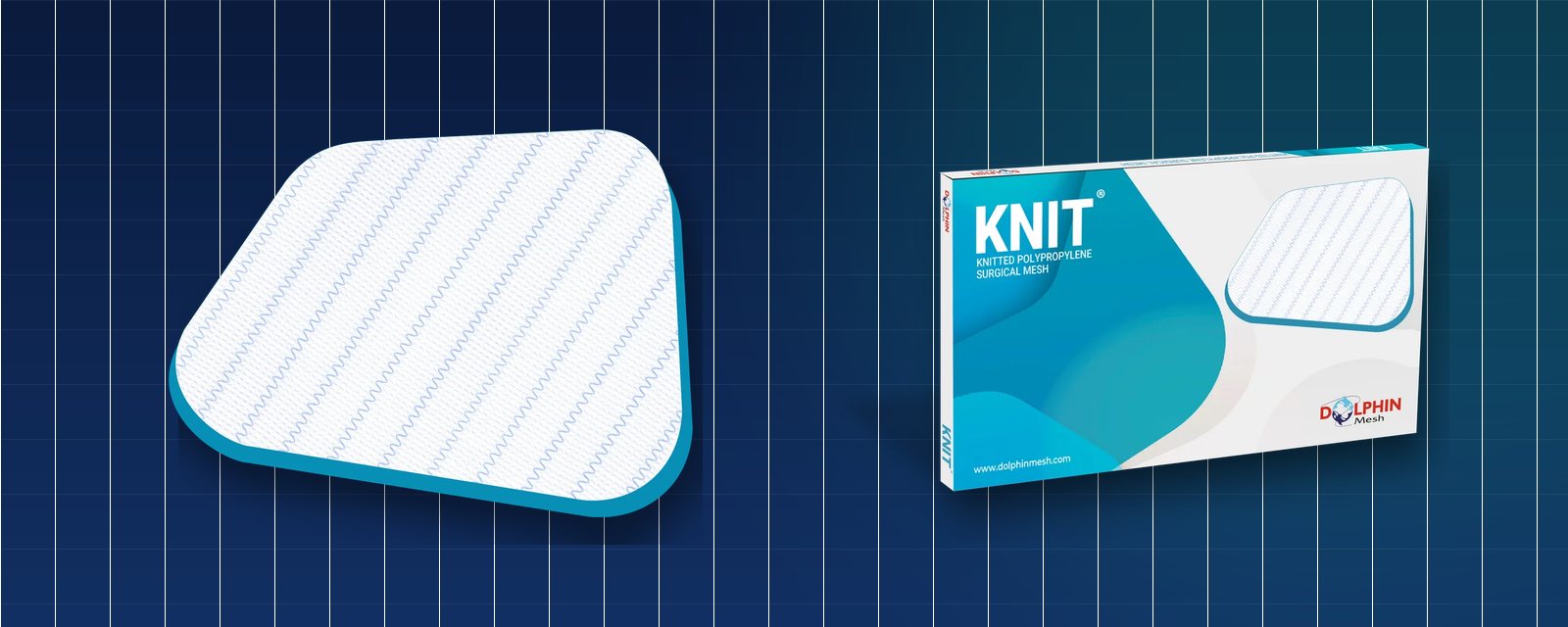
Lightweight, Heavyweight, Macropore: Choosing a Polypropylene Hernia Mesh
Mesh weight and pore size shape how a polypropylene mesh handles and integrates. What the terms mean — and how the four Knit variants line up.
Read article →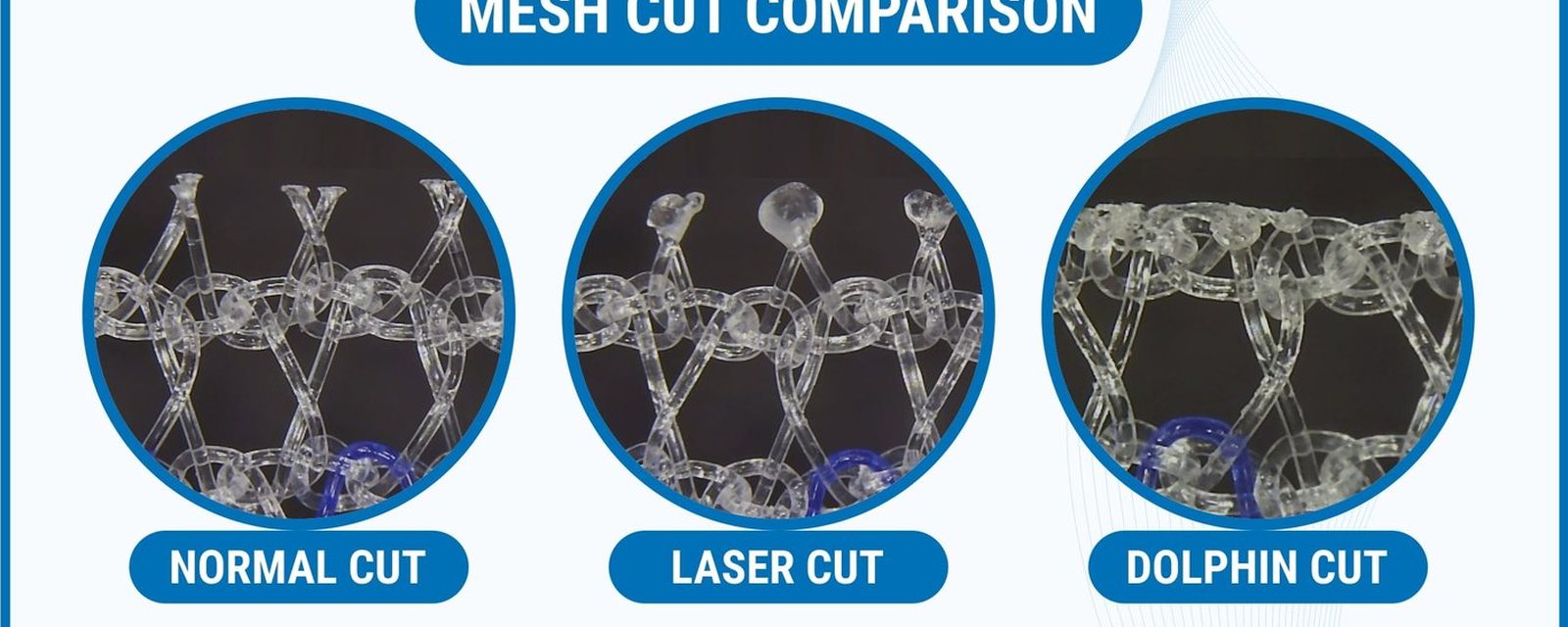
Dolphin Cut: Why the Edge of a Hernia Mesh Matters
Most attention goes to a mesh's material and pores, but its edges touch tissue too. How Dolphin Cut Technology compares with traditional and laser cutting.
Read article →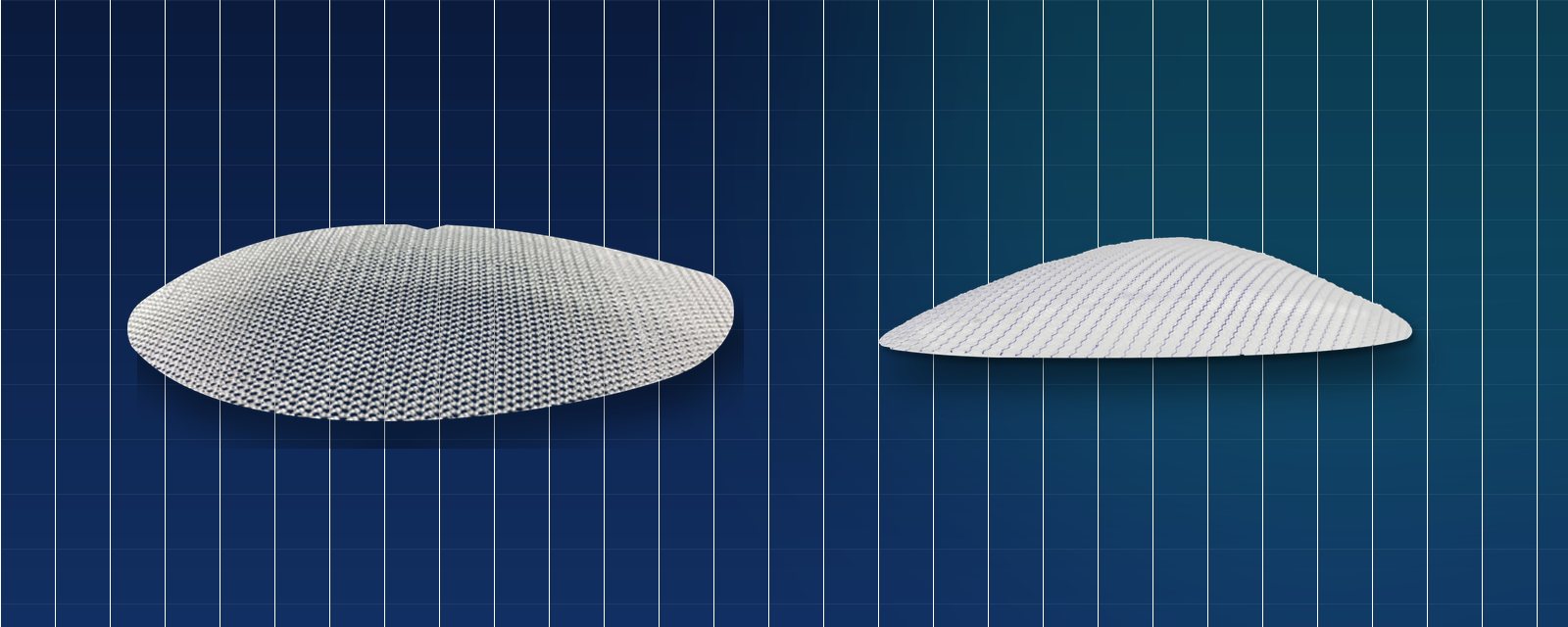
Inguinal Hernia Repair: Lichtenstein, TAPP and TEP — and Where a 3D Mesh Fits
Open or laparoscopic? A practical look at Lichtenstein, TAPP and TEP repair — and why pre-shaped 3D anatomical meshes were developed for the laparoscopic groin.
Read article →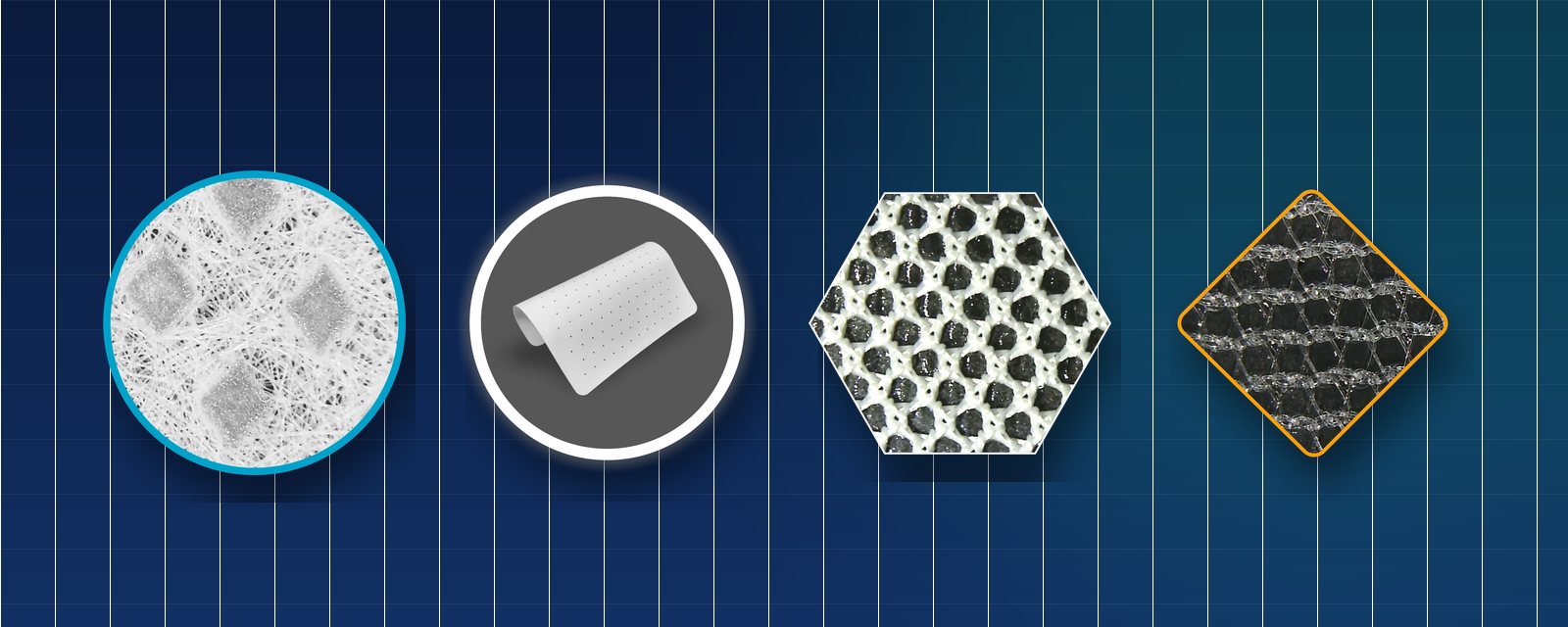
Ventral and Incisional Hernia: Why IPOM Repair Needs a Composite Barrier Mesh
When a mesh sits inside the abdomen it touches the bowel. Here is how dual-sided composite meshes are built for that job — and how Dolphin's four composites compare.
Read article →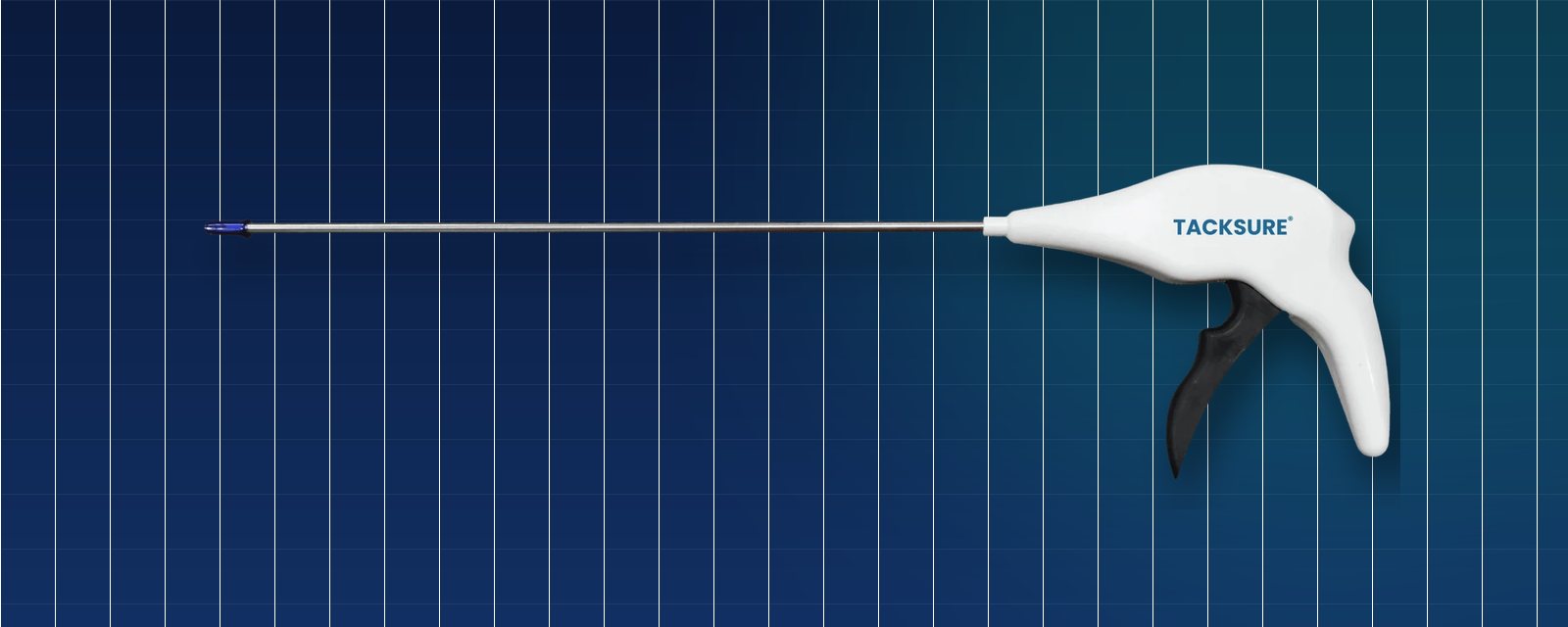
Fixing the Mesh: Tackers, Sutures and Glue in Laparoscopic Hernia Repair
Once the mesh is in position it has to stay there while tissue grows in. Tacks, sutures, glue or nothing at all — and where a single-use tacker like Tacksure fits.
Read article →
Mesh vs Non-Mesh Hernia Repair: How the Two Approaches Compare
Why most adult hernia repairs now use mesh, when a suture repair is still chosen, and the trade-offs surgeons weigh between the two.
Read article →
Partially Absorbable Hernia Mesh: How Monosolve V2 Works
A partially absorbable mesh is stiffer for handling at implantation and lighter in the long term. How Monosolve V2 combines polypropylene with poliglecaprone 25.
Read article →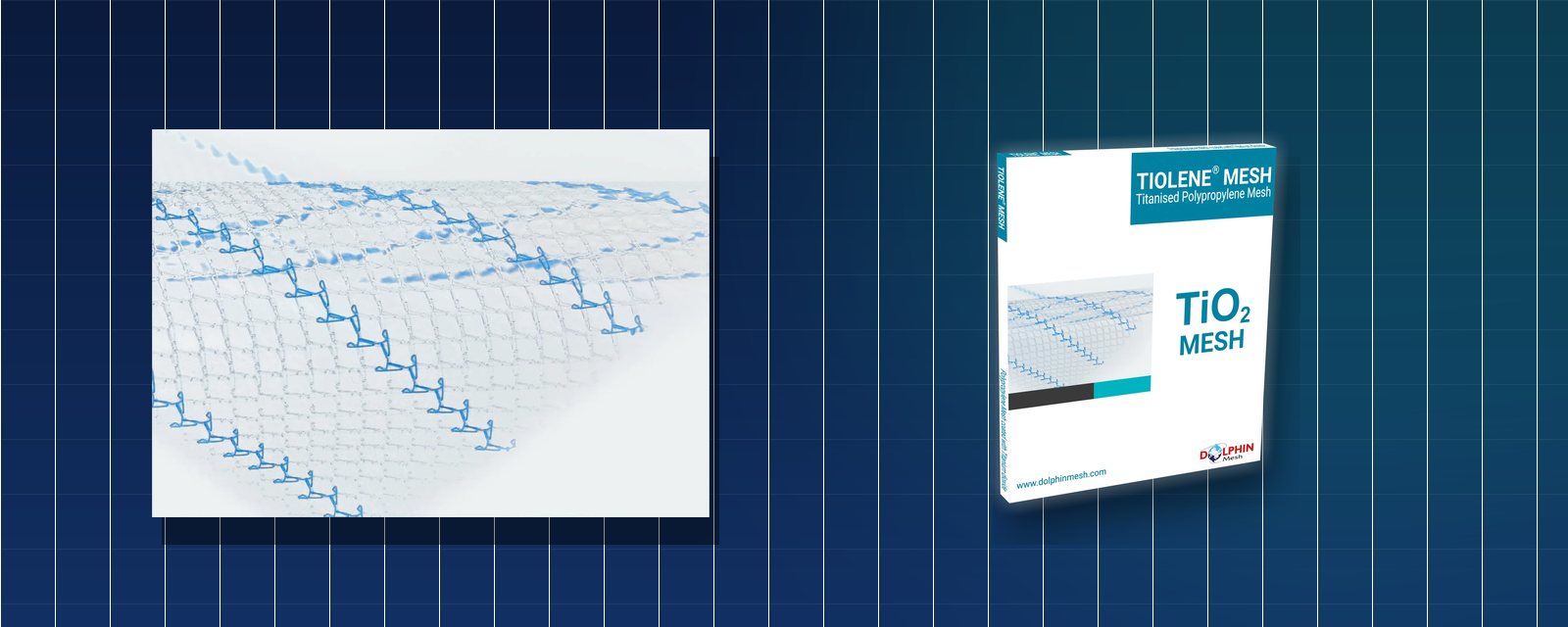
Titanised Polypropylene Mesh: What the Titanium Coating Does
A titanium dioxide coating turns a hydrophobic polypropylene fibre into a hydrophilic surface. What that means for a hernia mesh — and for Tiolene.
Read article →
What Is a Hernia? Types, Symptoms and When Repair Is Needed
Inguinal, femoral, umbilical, epigastric and incisional hernias explained — what causes them, how they feel, the warning signs that need urgent care, and how they are repaired.
Read article →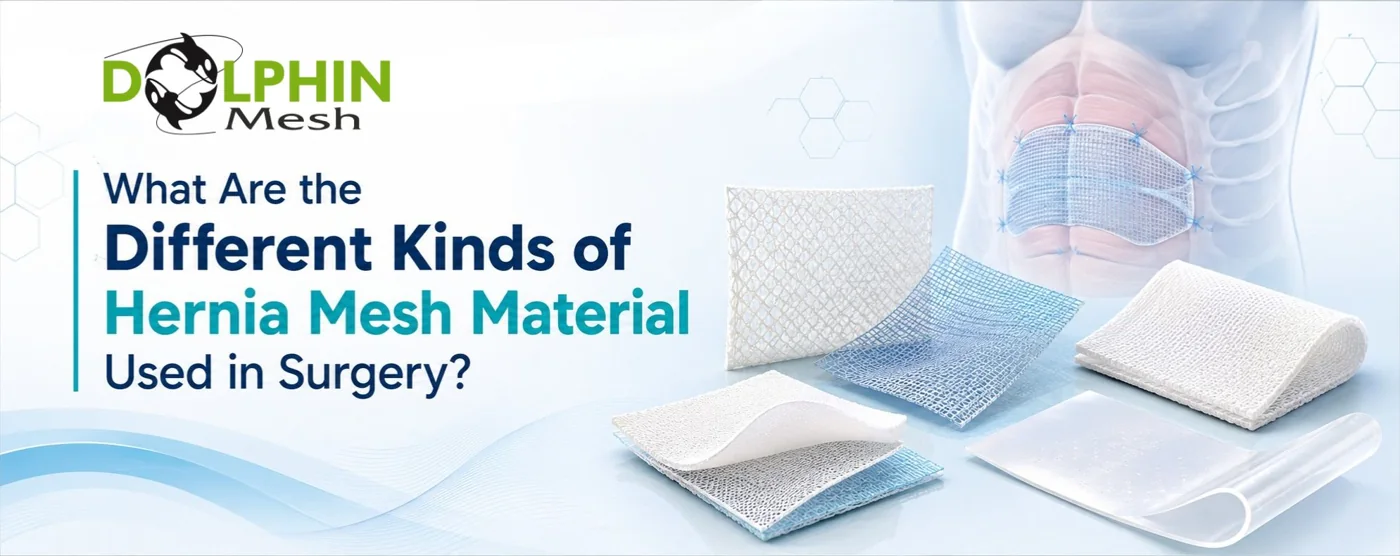
What Are the Different Kinds of Hernia Mesh Material Used in Surgery?
Surgical meshes differ in the material they are made from, how that material is built and whether part of it is absorbed. A walk through the material families in the Dolphin Mesh range.
Read article →
AWR Surgeons Meet 2021 at Rajkot
Dolphin Mesh took part in the AWR Surgeons Meet 2021 at Rajkot, showcasing its range of composite hernia mesh products.
Read article →Distributor, hospital or surgeon?
Request product information, samples or regulatory documentation. Supplying hospitals and distributors in 85+ countries from Bangalore.