







La malla, explicada.
Artículos de referencia para profesionales sanitarios sobre cómo se construye, se mide y se fija la malla quirúrgica — redactados sin afirmaciones de producto y revisados antes de su publicación.
Base de conocimiento
Malla quirúrgica
Una malla quirúrgica es una lámina de material tejido o compuesto empleada para reforzar tejido blando, casi siempre en la reparación de hernias. No es una sutura — una…
02 / ESTRUCTURAConstrucción de la malla
La construcción de una malla quirúrgica describe cómo está hecho el implante: tejido a partir de un polímero monofilamento hasta formar un textil abierto, mezclado con…
03 / POROTamaño de poro y peso de la malla
El tamaño de poro es la dimensión de las aberturas de una malla quirúrgica tejida. La densidad superficial, indicada habitualmente en gramos por metro cuadrado, es la…
04 / FIJACIÓNFijación de la malla
La fijación de la malla es el modo en que una malla quirúrgica implantada se mantiene en posición mientras se produce la integración tisular. Hay tres familias de uso…
Del blog
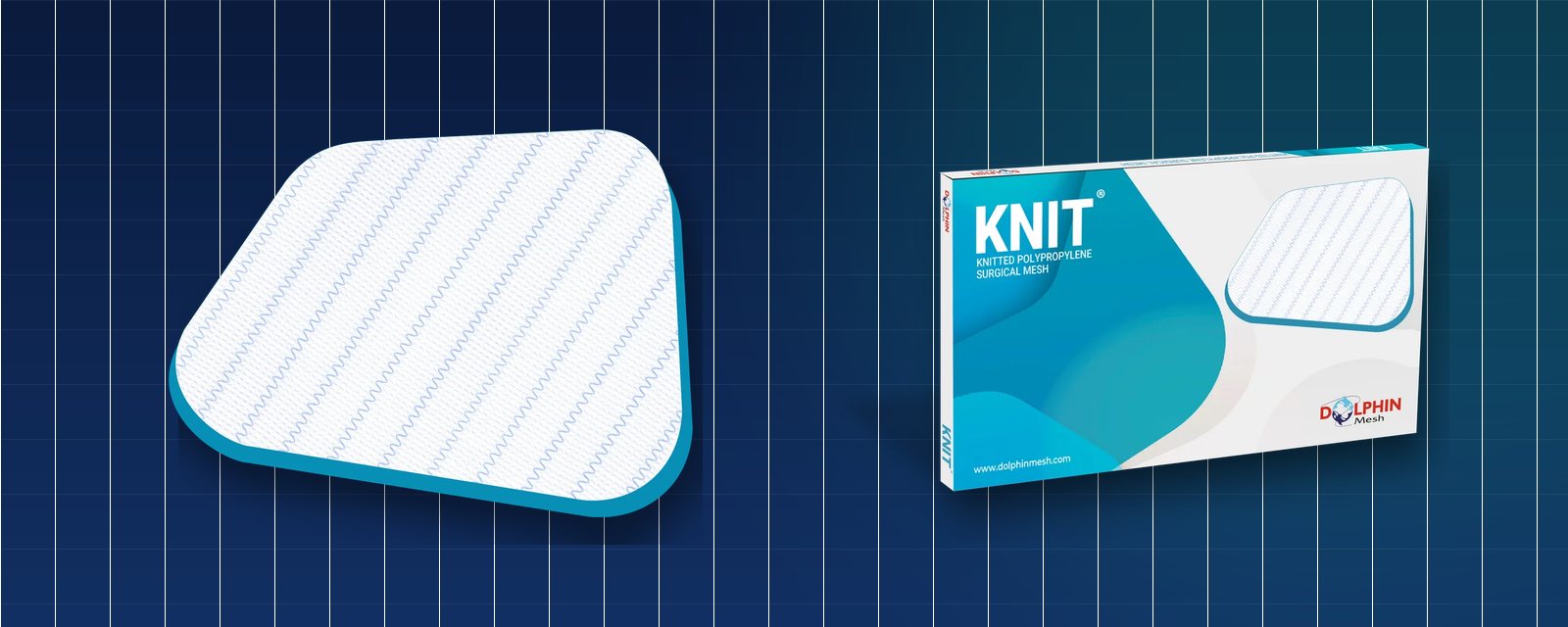
Lightweight, Heavyweight, Macropore: Choosing a Polypropylene Hernia Mesh
Mesh weight and pore size shape how a polypropylene mesh handles and integrates. What the terms mean — and how the four Knit variants line up.
Leer artículo →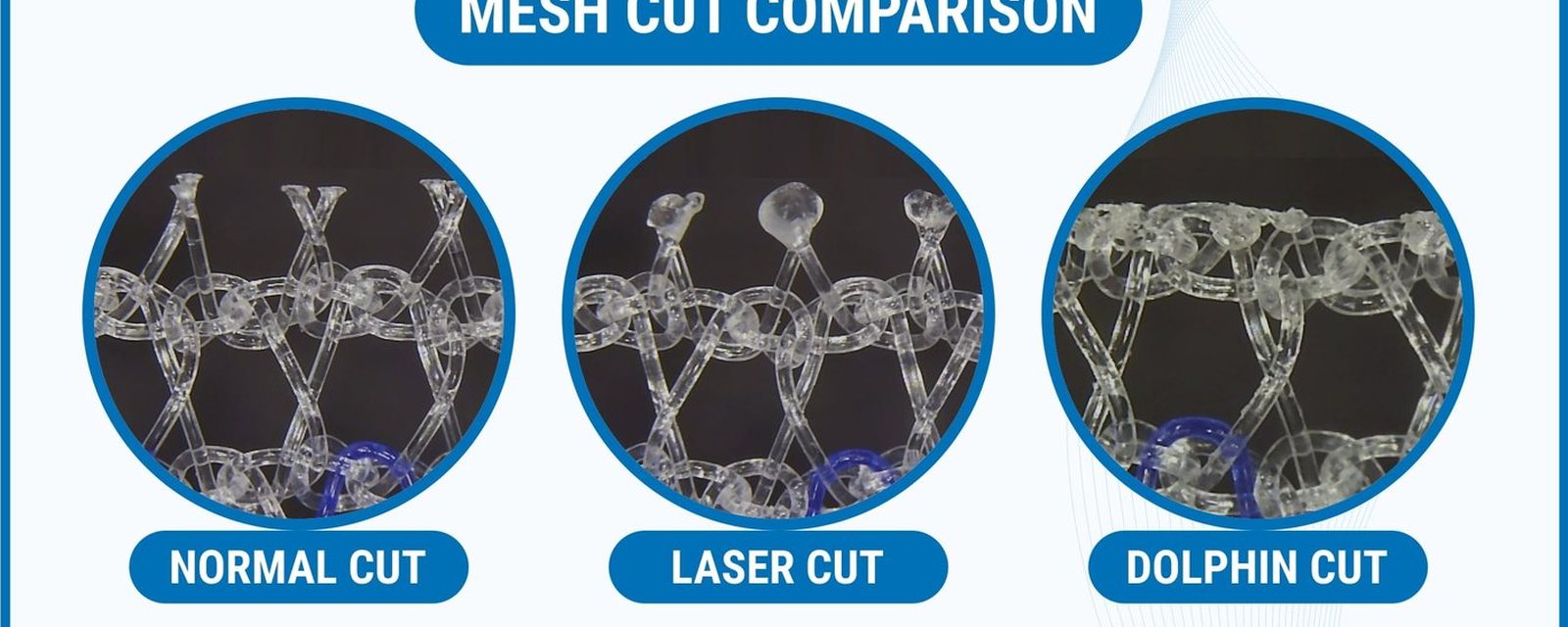
Dolphin Cut: Why the Edge of a Hernia Mesh Matters
Most attention goes to a mesh's material and pores, but its edges touch tissue too. How Dolphin Cut Technology compares with traditional and laser cutting.
Leer artículo →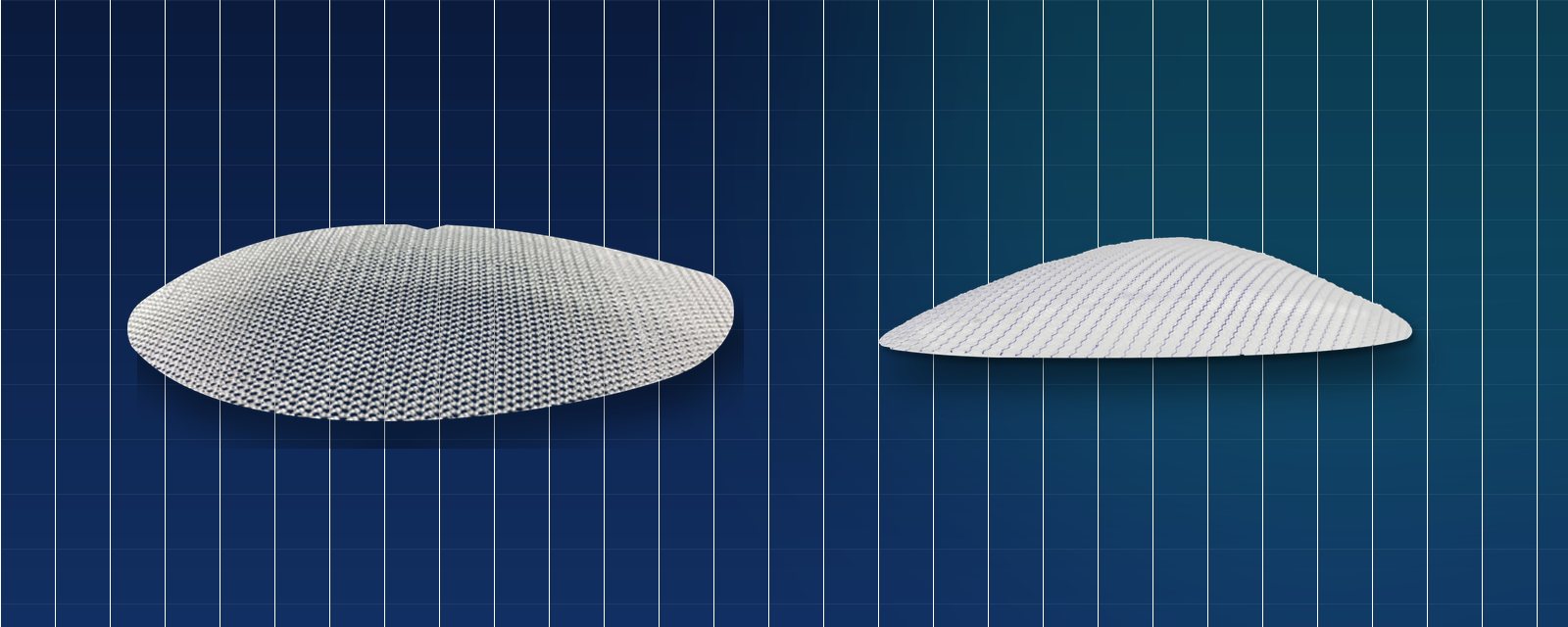
Inguinal Hernia Repair: Lichtenstein, TAPP and TEP — and Where a 3D Mesh Fits
Open or laparoscopic? A practical look at Lichtenstein, TAPP and TEP repair — and why pre-shaped 3D anatomical meshes were developed for the laparoscopic groin.
Leer artículo →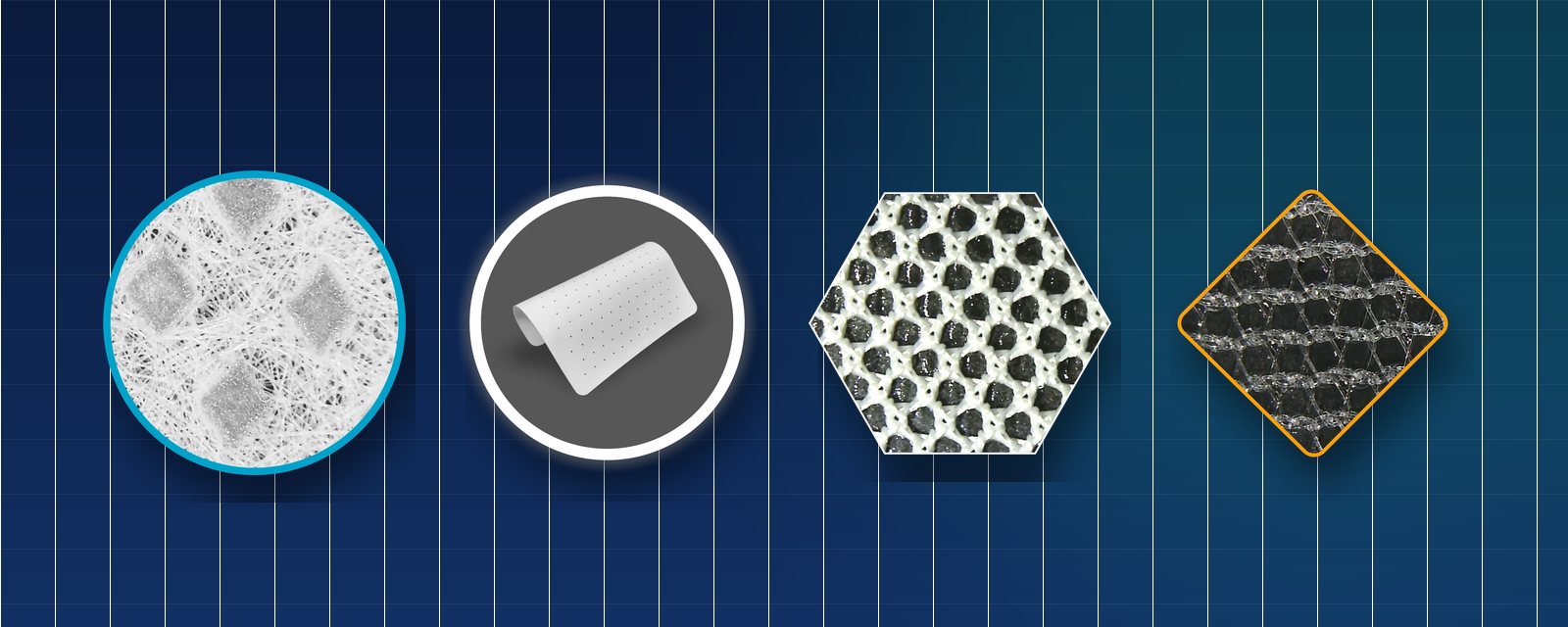
Ventral and Incisional Hernia: Why IPOM Repair Needs a Composite Barrier Mesh
When a mesh sits inside the abdomen it touches the bowel. Here is how dual-sided composite meshes are built for that job — and how Dolphin's four composites compare.
Leer artículo →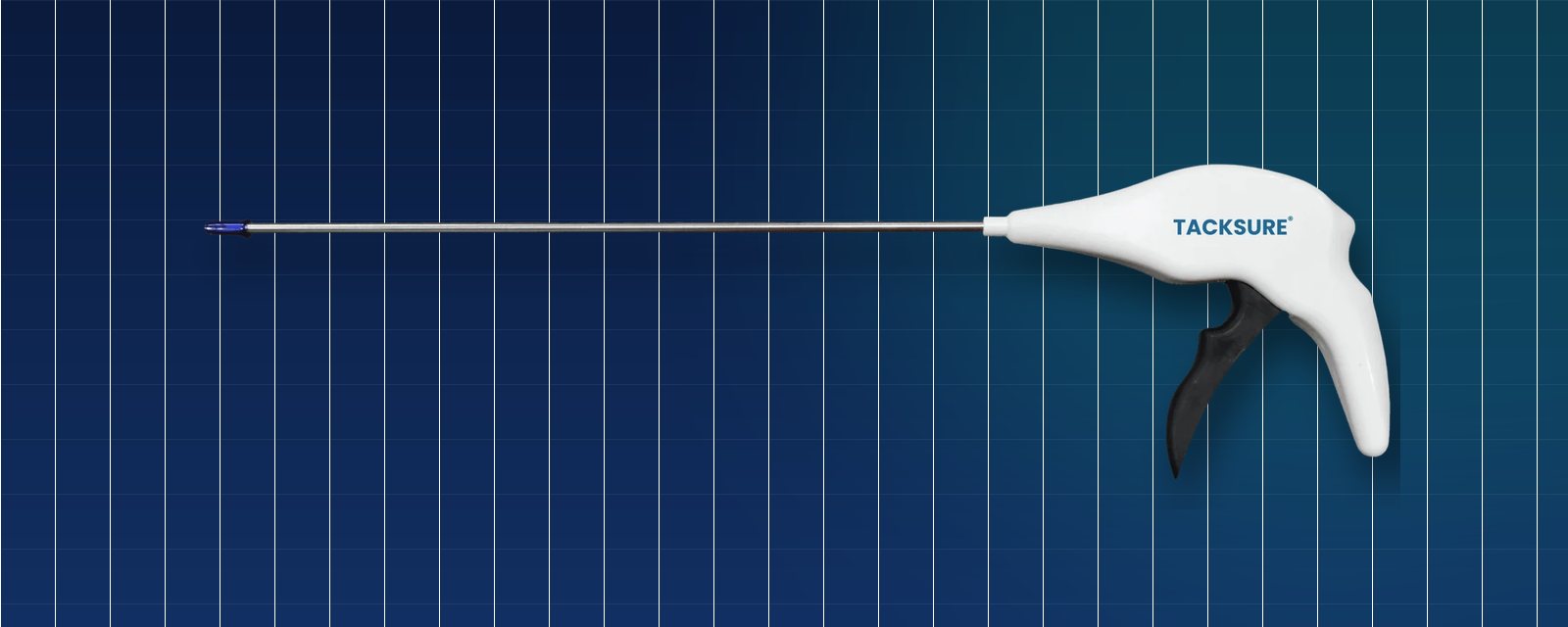
Fixing the Mesh: Tackers, Sutures and Glue in Laparoscopic Hernia Repair
Once the mesh is in position it has to stay there while tissue grows in. Tacks, sutures, glue or nothing at all — and where a single-use tacker like Tacksure fits.
Leer artículo →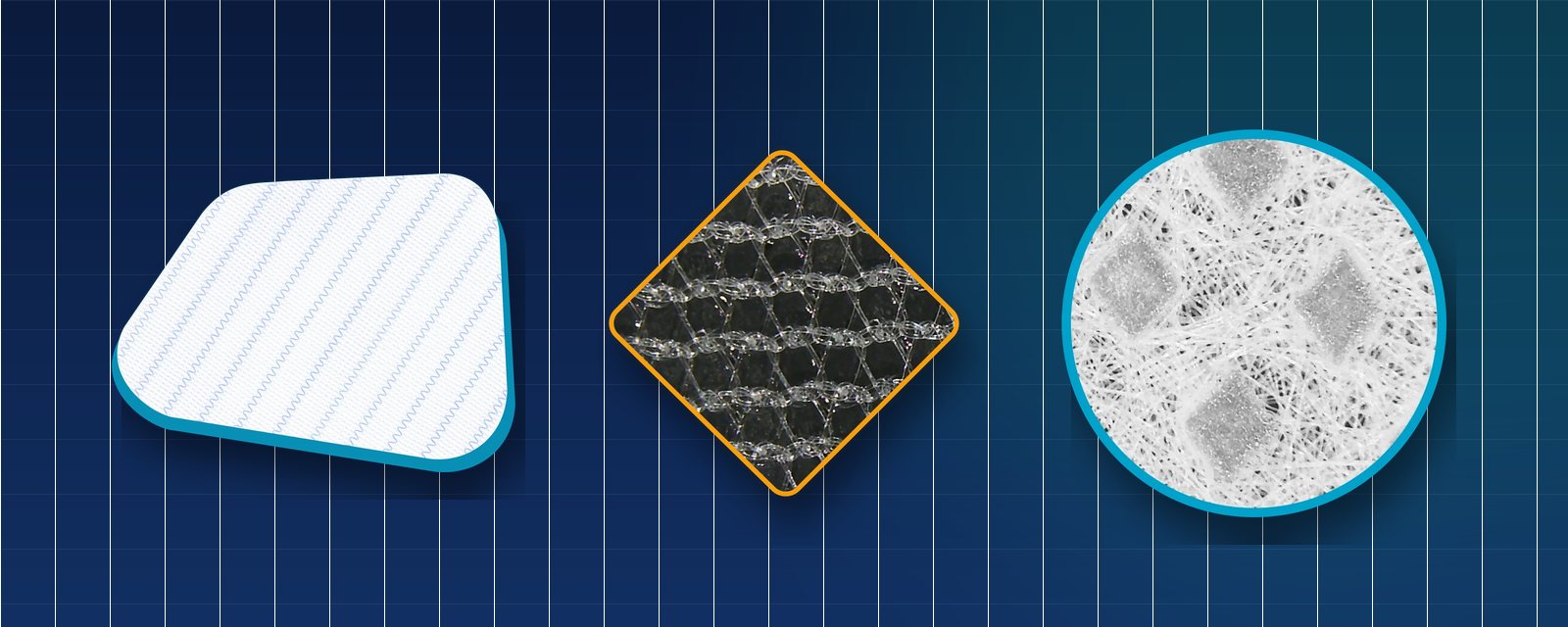
Mesh vs Non-Mesh Hernia Repair: How the Two Approaches Compare
Why most adult hernia repairs now use mesh, when a suture repair is still chosen, and the trade-offs surgeons weigh between the two.
Leer artículo →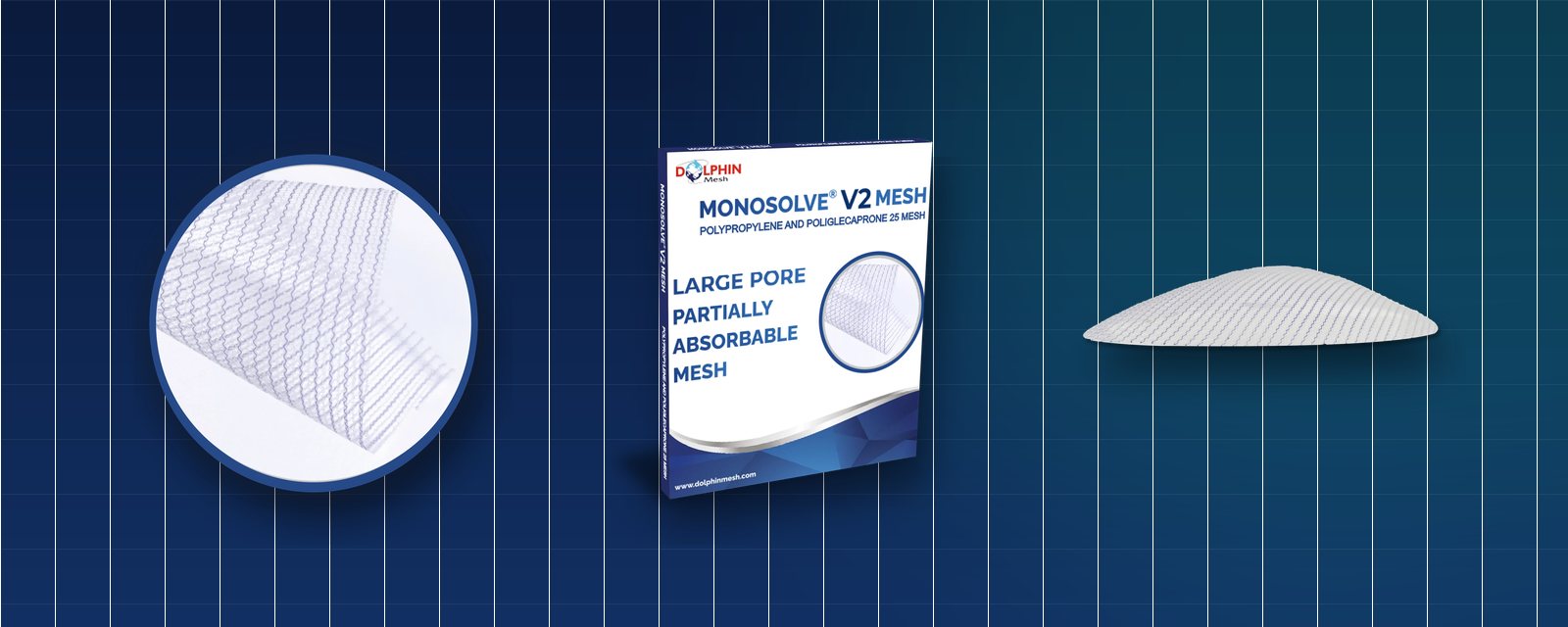
Partially Absorbable Hernia Mesh: How Monosolve V2 Works
A partially absorbable mesh is stiffer for handling at implantation and lighter in the long term. How Monosolve V2 combines polypropylene with poliglecaprone 25.
Leer artículo →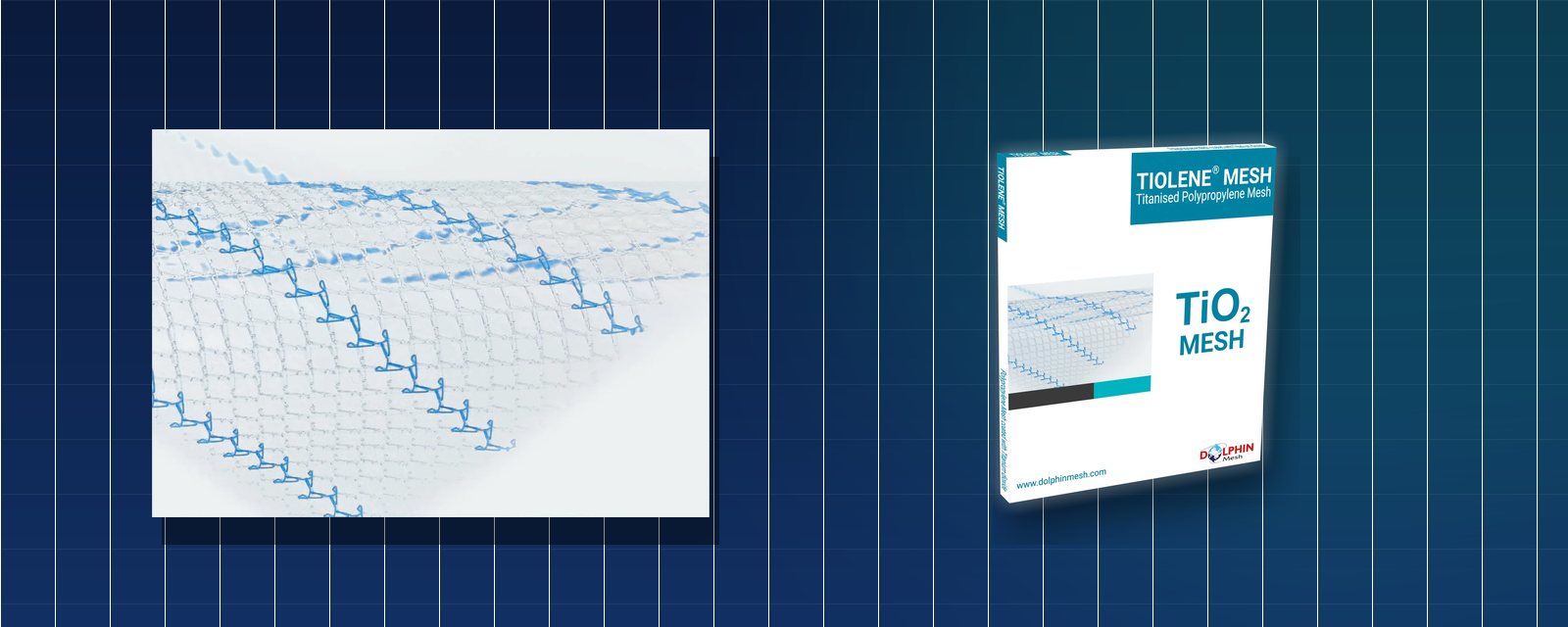
Titanised Polypropylene Mesh: What the Titanium Coating Does
A titanium dioxide coating turns a hydrophobic polypropylene fibre into a hydrophilic surface. What that means for a hernia mesh — and for Tiolene.
Leer artículo →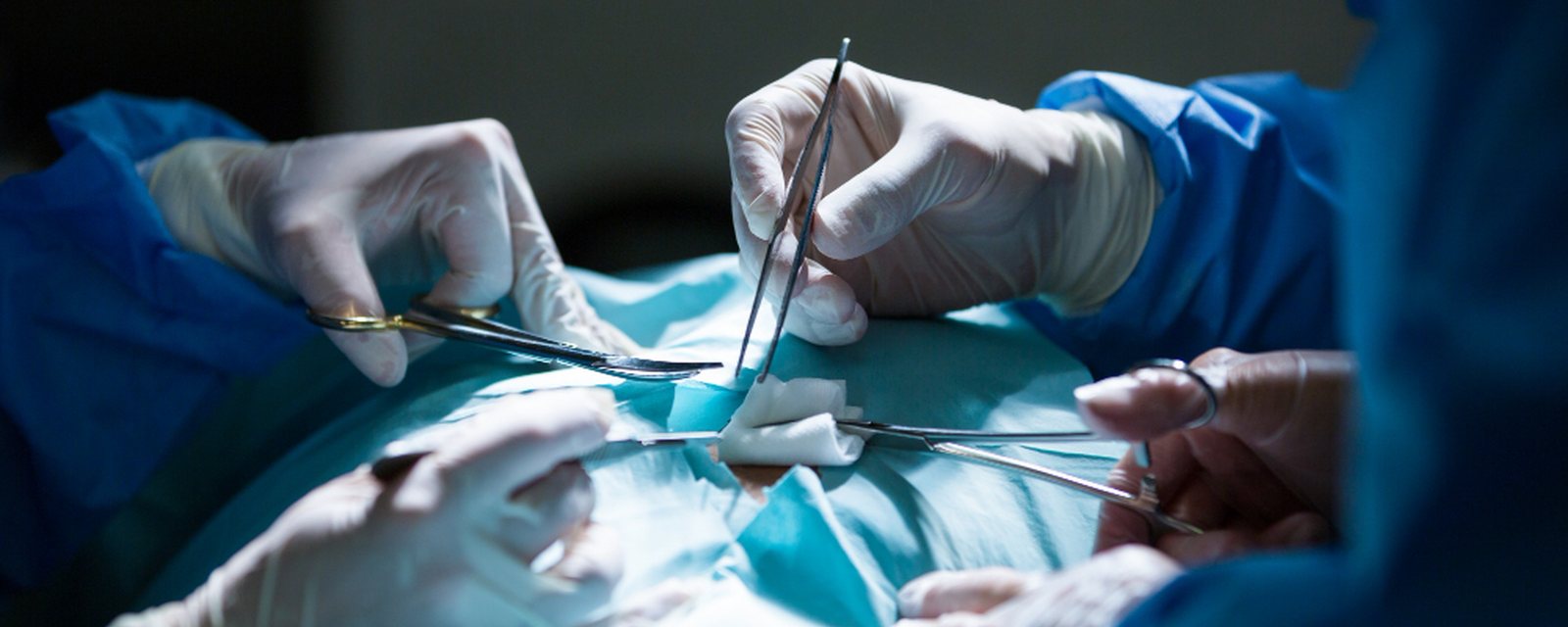
What Is a Hernia? Types, Symptoms and When Repair Is Needed
Inguinal, femoral, umbilical, epigastric and incisional hernias explained — what causes them, how they feel, the warning signs that need urgent care, and how they are repaired.
Leer artículo →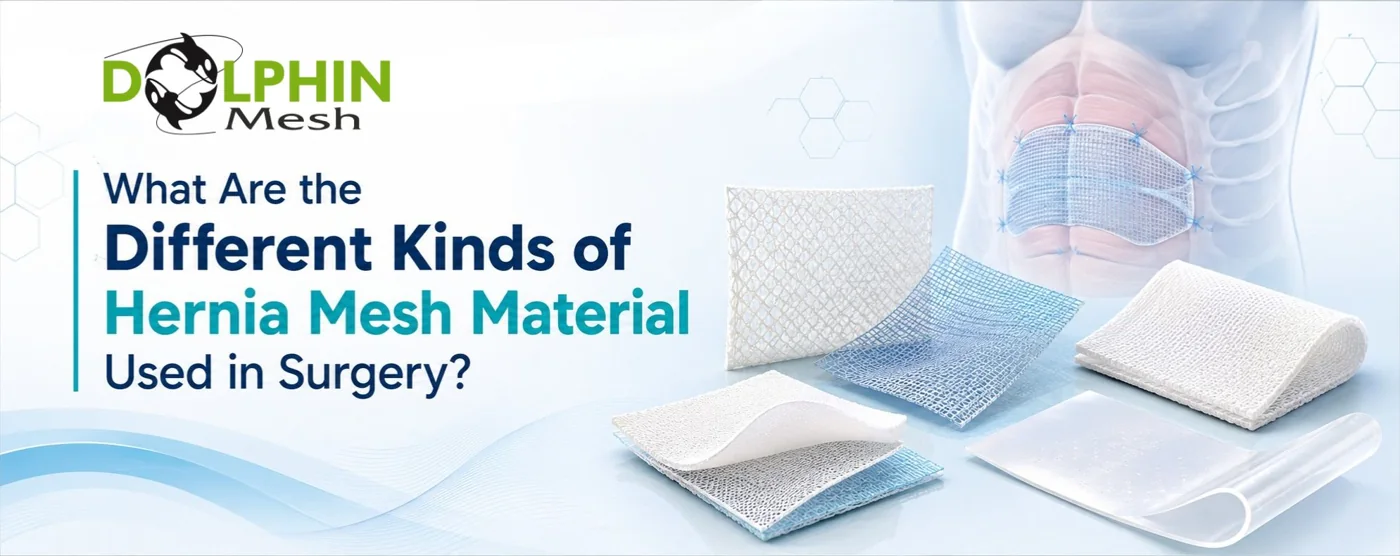
What Are the Different Kinds of Hernia Mesh Material Used in Surgery?
Surgical meshes differ in the material they are made from, how that material is built and whether part of it is absorbed. A walk through the material families in the Dolphin Mesh range.
Leer artículo →
AWR Surgeons Meet 2021 at Rajkot
Dolphin Mesh took part in the AWR Surgeons Meet 2021 at Rajkot, showcasing its range of composite hernia mesh products.
Leer artículo →¿Distribuidor, hospital o cirujano?
Solicite información de productos, muestras o documentación regulatoria. Suministramos a hospitales y distribuidores en más de 85 países desde Bangalore.